Daily Archives: February 4, 2025
Forex Trading Risk Management: Protecting Your Investments
forex trading offers an exciting opportunity to grow wealth, but with the promise of high rewards comes significant risk. Statistics show that nearly 70% of retail forex traders lose money because of poor risk management practices. This makes risk management not just an option but a necessity for anyone looking to sustain success. Here’s a closer look at how to protect your investments while navigating this dynamic market.
Understanding the Risks in Forex Trading
The forex market operates 24/7 and is influenced by numerous factors, such as geopolitical events, interest rate policies, and economic indicators. This level of volatility is what attracts traders but also what makes the market inherently high-risk. According to recent studies, sudden market swings can lead to losses of up to 40% of an investment in a single volatile session.
Overleveraging is a common pitfall, with many traders using borrowing to amplify potential gains. While leverage can magnify profits, it also multiplies losses, leaving traders vulnerable to margin calls and account wipeouts.
Proven Strategies for Effective Risk Management
1. Set Realistic Risk-Reward Ratios
Statistical experts recommend a risk-reward ratio of at least 1:2 for consistent gains. For example, for every $100 risked, you should aim for a minimum target of $200 in profit. This approach balances potential losses and ensures long-term profitability.
2. Use Stop-Loss Orders
Data reveals that traders who set stop-loss orders lose less money over time compared to those who trade without them. A stop-loss order automatically closes your position once a predetermined price is reached, limiting potential losses. Experts suggest limiting risks to 1-3% of your trading capital per trade.
3. Monitor Market Conditions
Analysis suggests that trades placed during high-volatility periods have a 20% higher chance of loss. Keeping an eye on news and economic events can help you time your trades more effectively and avoid unnecessary exposure.
4. Diversify Your Portfolio
Trading only one currency pair may seem straightforward, but it increases your exposure to risks specific to that currency. Diversifying across multiple pairs or even other markets can reduce statistical correlation and spread risk more evenly.
Prepare for Success with Strategy
Trading forex is as much about protecting your capital as it is about making gains. By applying sound risk management principles, such as setting stop-losses and maintaining realistic expectations, traders can dramatically improve their likelihood of long-term success. Remember, staying in the game is more important than hitting a home run on every trade.
MT4 WebTrader vs. Desktop Version: Pros and Con
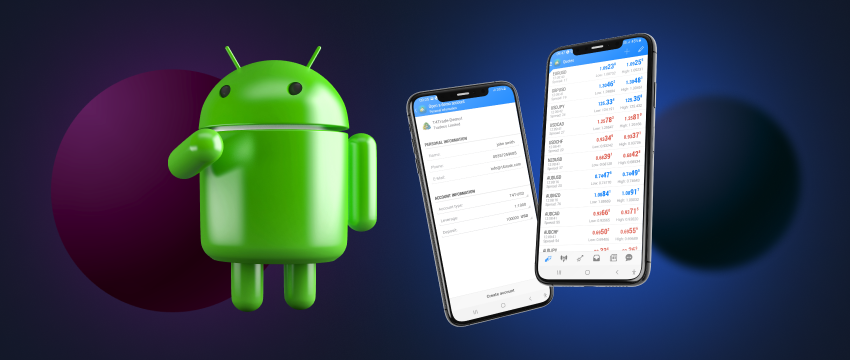
The world of trading offers flexibility and accessibility like never before, whether you’re analyzing complex markets or executing trades on the go. But choosing the right platform to suit your trading needs is crucial, and often the choice comes down to mt4 webtrader and Desktop Versions. Both options have their own strengths and shortcomings. This post explores their benefits and limitations, helping you decide which fits your trading style best.
What Makes WebTrader a Convenient Option?
The WebTrader platform is a popular choice for its accessibility and simplicity. With no downloads or installations required, you can launch WebTrader directly from a browser on any device, allowing for seamless trading on the go.
Advantages:
• Accessibility: WebTrader is compatible with multiple devices (laptops, tablets, smartphones) and operating systems, making it perfect for those who regularly switch between devices.
• Ease of Use: The interface typically eliminates unnecessary complications, offering a user-friendly experience for beginners.
• Quick Updates: Being web-based ensures you’re always running the latest version with no manual updates required.
Limitations:
• Internet Dependency: WebTrader heavily relies on stable internet connectivity, which could disrupt performance if your connection falters.
• Limited Functionality: Many WebTrader platforms lack advanced features such as custom indicators and expert advisors essential for heavy users or advanced traders.
The Case for Desktop Platforms
Desktop trading platforms, on the other hand, are often the choice of professional traders who demand advanced tools and high-speed execution.
Advantages:
• Advanced Features: Desktop platforms are robust, offering features like custom scripts, algorithmic trading, and access to a wide range of technical tools.
• Performance: With a locally installed platform, you often experience smoother and faster execution speeds.
• Greater Customizability: Desktop versions allow users to tailor the interface, charts, and indicators to fit specific trading needs.
Limitations:
• Device Restriction: Desktop platforms lock you into a single machine, reducing flexibility for users who prefer trading on the go.
• Setup Requirements: These platforms often require downloads, installations, and periodic updates, which may be time-consuming for some users.
Which One Should You Choose?
The choice between WebTrader and Desktop platforms hinges on your trading goals and day-to-day needs. If you value flexibility and ease of access, WebTrader is your go-to solution. Meanwhile, if advanced functionality and high-speed execution are non-negotiable, the desktop platform is a better fit.